Driving improvements in maternity and neonatal services
The Maternity and Neonatal Safety Improvement Programme drives system collaboration, patient safety initiatives and addresses health disparities through impactful network events.
The South West Patient Safety Collaborative (PSC), hosted by Health Innovation South West, delivers the NHS England (NHSE) Maternity and Neonatal Safety Improvement Programme in the South West.
During 2023-24, the PSC supported the testing, piloting and implementation of the BAPM (British Association of Perinatal Medicine) Newborn Early Warning Trigger and Track 2 escalation toolkits (NEWTT2) to reduce variation, increase standardisation and improve outcomes for neonatal care.
Working closely with the lead NHSE Senior Improvement Manager, the PSC supported local NHS trusts to successfully implement and adopt the paper based NEWTT2 toolkit. It also supported the co-design of a measurement tool, to identify areas where focused education sessions would lead to improved clinical outcomes and led the co-design of the implementation checklist for clinical teams to utilise. The audit dashboard and checklist now form part of the national “onboarding” toolkit.
MatNeoSIP also works to improve outcomes in pre-term babies. Our PERIPrem (Perinatal Excellence to Reduce Injury in Premature Birth) project is a unique care bundle of 11 evidence-based interventions for mothers and preterm babies. Implemented in 12 Trusts across the South West region, it is demonstrating significant impact on brain injury and mortality amongst babies born prematurely.
Throughout 2023-24, PERIPrem has been adopted into national perinatal pathways, recognised in several national reports, and other Health Innovation Networks are considering its adoption.
In addition, the PSC co-leads the Regional Perinatal Equity Network which continues to champion initiatives and projects that aim to address disparities in perinatal health outcomes, fostering collaboration among healthcare professionals, voluntary and community sector organisation. Through shared learning, data-driven approaches, and community engagement, the network seeks to reduce disparities in maternal and neonatal outcomes, ultimately improving health equity and well-being for mothers and babies across the region’s community organisations, service users and commissioners.
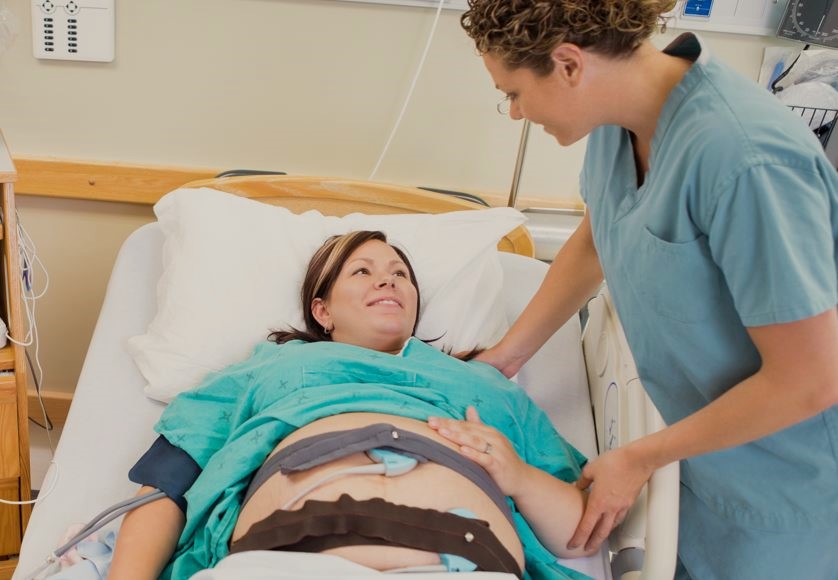
- By fostering collaboration within the local maternity and neonatal systems, we’re building a culture of continuous improvement and knowledge sharing, resulting in enhanced teamwork and communication among healthcare providers.
- Our Patient Safety Network events have empowered frontline teams to implement best practices, leading to safer care delivery and improved outcomes for mothers and babies.
- Our co-designed audit dashboard has provided real-time feedback on compliance and areas for improvement, enabling teams to make data-driven decisions and drive meaningful change.
- Over 1,500 premature babies have been cared for in the South West using the PERIPrem bundle (to March 2024).
- Overall, our efforts have not only improved the quality and safety of maternity and neonatal care but have also contributed to a culture of excellence and innovation within our healthcare system.
It has been a pleasure to continue collaborating with the Health Innovation South west MatNeo SIP team this year. I cannot understate the value of the input the team has had on our work, including working together to support the implementation of the LMNS Equity and Equality Plans via the Regional Perinatal Equity Network, and supporting work to ensure premature babies are born in the right place. We look forward to continuing working closely together to improve the safety of maternity services in the South West.
Louise George, Senior Quality Improvement Manager – Maternity and Perinatal Services, NHS England, South West