Unlocking innovation in rural and coastal healthcare
Reimagining healthcare delivery to meet the unique challenges of the South West’s rural and coastal communities.
Impact
- Accelerating efforts to tackle rural and coastal health and care challenges.
- Positioning the South West as a test bed for innovation.
- Transforming local challenges into catalysts for creative, community-driven solutions.

Project summary
The South West’s geography and demographics present complex health and care challenges:
- Improving population health and tackling rising chronic disease when poor health is higher than the national average.
- Delivering health and care services to a dispersed population, with fewer choices and longer travel times.
- Improving access to and quality of care with major workforce challenges and long waiting times for diagnosis and treatment.
- Slow economic growth affects health equity and quality of life.
Discussions at a recent event held in partnership with the National Centre for Rural Health and Care highlighted the importance of looking beyond traditional healthcare models. Three key themes emerged, reflecting national debate around NHS reform, but through a specific rural and coastal lens:
- Community-driven partnerships ensure that innovations are grounded in real-world problems, fostering a sense of ownership.
- Digital technology and AI can overcome geographical barriers and help rural providers optimise limited resources.
- Innovative workforce strategies to attract and retain specialised health professionals.
The challenges faced by rural and coastal communities — isolation, access, workforce shortages — can become drivers of progress, inspiring creative solutions that may one day reshape healthcare as a whole.
Rationale
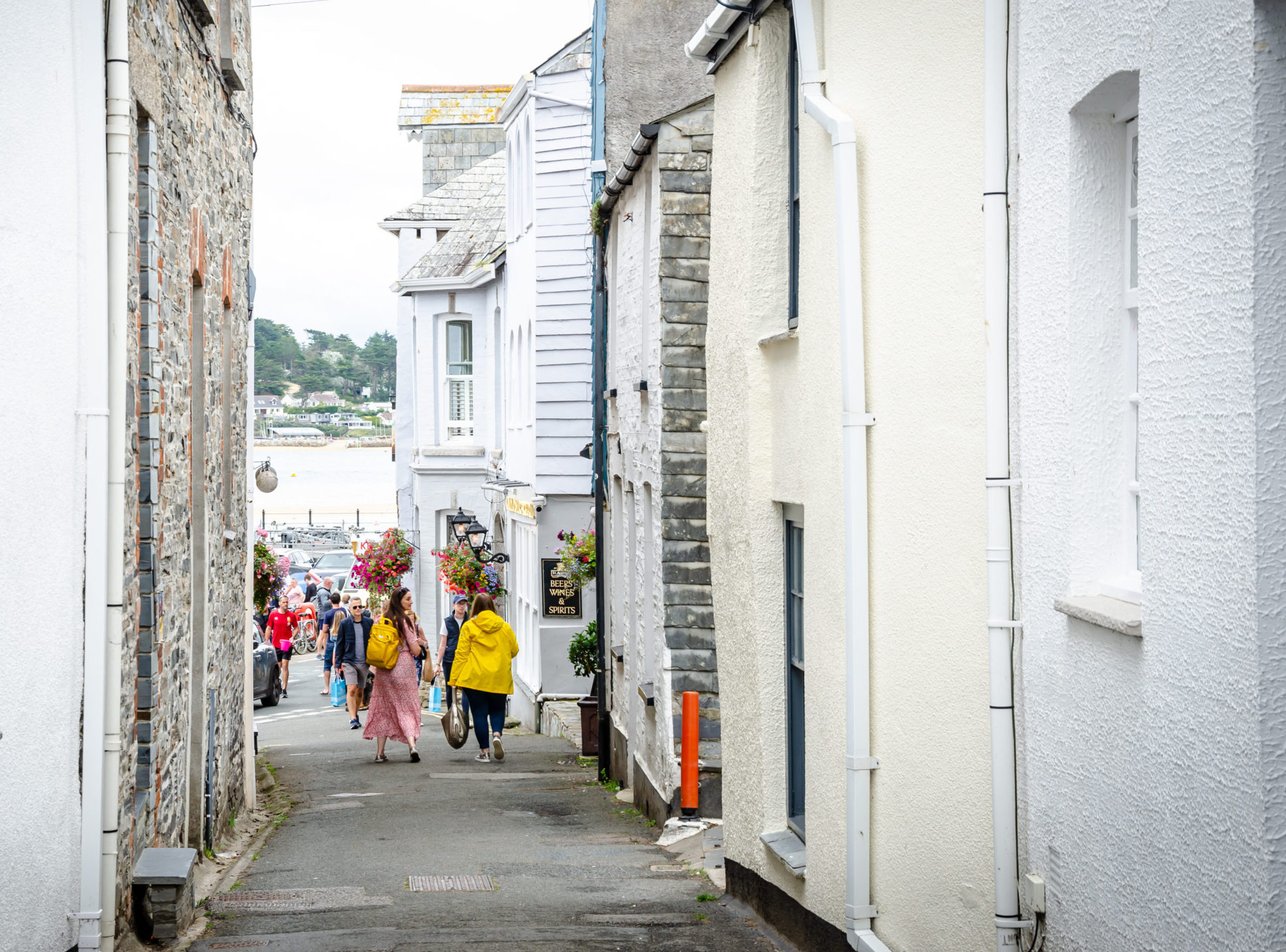
Around 2.2 million people live in the South West of England, from the Isles of Scilly to Somerset, with over 600 miles of coastline. In contrast to other English regions there are no major urban areas, and the population is dispersed with most people living in rural towns, villages, and hamlets.
The number of retired people is the highest in England and over 65s are on course to be two thirds of the region’s population by 2045. It has some of the least deprived and most deprived areas in the country.
Its distinct context demands bold, place-based health and care solutions.