Impact Report
2025-26
Transforming lives through health and care innovation across our rural and coastal communities
Welcome
From Anna Walker, Chair and Jon Siddall, Chief Executive Officer

The South West Peninsula is leading the way as a national testbed for rural and coastal health innovation. With our partners, we are seizing opportunities to find, test, implement and scale practical solutions that make the biggest difference to people’s lives here in the South West, and help the NHS meet its greatest challenges.
Our impact this year
0K+
staff were upskilled and supported through projects we delivered in 2025‑26
0K+
patients have benefitted from projects we worked on in 2025‑26
£0M+
of investment was leveraged in the South West through our work in 2025‑26
Our region
The South West Peninsula is one of England’s most expansive, sparsely populated, and geographically isolated regions. Covering Somerset, Devon, Cornwall and the Isles of Scilly, it is a predominantly rural and coastal area.
- Almost half of the region’s 2.3 million people live in rural areas. This brings distinct challenges in accessing care, including extended travel distances, limited public transport, and inconsistent digital infrastructure.
- We have an older and ageing population with multiple conditions, accelerating demand on services.
- Our coastal towns have some of the highest levels of deprivation and poor health outcomes in the country.
These factors inform how we shape and deliver our strategy, ensuring it has the greatest impact on the health and wellbeing of our people here in the South West.
Our focus
Much of what we do is focused on three big shifts across health and care – moving more care from hospital to communities, making better use of digital tools and technologies, and preventing sickness. We are supporting these three shifts using our expertise in rural and coastal health innovation, helping to find, test and scale solutions that respond to the needs of our region.




Hospital to community
Nearly half the population in the South West lives in rural areas with longer journeys to urgent and specialist care and diagnostics. Bringing care into the community, via GPs, pharmacies, and home support, reduces travel distances for patients and eases demand on hospitals.

GP practices in Cornwall drive earlier respiratory diagnosis and remote care in coastal county
Hundreds of patients in Cornwall and the Isles of Scilly have been diagnosed with asthma and chronic obstructive pulmonary disease (COPD) earlier and afforded the right care, at the right time, closer to home.
The innovative respiratory approach, funded by NHS England’s Pathway Transformation Fund and driven by the local health and care system, has kept people well at home over winter in the coastal county, where access to services is limited.

Cornwall and the Isles of Scilly have higher-than-average rates of asthma and COPD compared to the national average.
For patients living with respiratory illnesses on the remote peninsula, their experience is exacerbated by limited access to respiratory specialists and diagnostic testing.

NHS Cornwall and the Isles of Scilly was one of nine health and care systems across England awarded funding to deliver local projects to identify and diagnose adults with severe asthma and COPD and help them to better manage their condition at home.
We supported the six-month pilot, involving distributing diagnostic machines to GP practices, dedicated ‘lunch and learn’ training sessions for staff, and educational one-stop Super Saturday reviews for patients in the community.

Working collaboratively with primary care, we conducted 132 spirometry tests and 212 FeNO tests – diagnosing 36 cases of COPD and 56 cases of asthma.
Over 80 reviews took place to assess respiratory patients’ current treatment.
We extended Super Saturdays to Fantastic Fridays in some areas and saw 87 people in total for this style of review, to help them manage their symptoms remotely and access other support services, including digital apps.

Innovative neonatal pathway helping families go home sooner, while easing pressure on hospitals
Continued spread across South West Trusts and recognition through multiple awards
Growing national impact with resources downloaded across 90 sites


A fourfold increase in unpaid carers accessing short breaks, with 87% reporting a better ability to cope as a result
Carers feel less isolated and more supported following dementia-specific mentoring
Improved long term sustainability of Shared Lives – adult social care in family homes


Artificial intelligence shifting prediction to action in neighbourhood and population health models
Demonstrated BRAVE AI can support earlier identification, prioritisation and proactive management of patients with unmet or emerging need
Informing national spread of tool in proactive neighbourhood and population health management operating models


Evaluated community engagement and provided programme management
95% of community café participants left sessions understanding more about how to participate in research
Embedded sustainable, long-term approaches to research participation that can be shared nationally


384 professionals connected at our quarterly networking events
£38,400 economic and social value generated
Seven adult social care innovations promoted and provided with new opportunities


Combining remote monitoring and community health coaching to improve access to personalised care
Supporting people with hypertension and diabetes who have not engaged with GP recalls, with over 2,400 patient invites already issued
Exploring how integrated care can reduce inequalities and prevent avoidable hospital attendances


Analogue to digital
Greater use of digital tools and technologies, including remote monitoring, AI and data-enabled approaches to help drive productivity of services, improve access to care and enhance patient and workforce experience.

Artificial intelligence speeding up prostate cancer diagnosis in Somerset
Lucida Medical’s artificially intelligence solution, ‘Pi™’, is speeding up prostate cancer diagnosis in Somerset, our evaluation this year has found.
The real-world evaluation, by way of our Cancer Innovation Challenge, evaluated the implementation and impact of Pi™ at Somerset’s Musgrove Park Hospital as an AI solution for faster, more accurate interpretation of prostate cancer MRI.

Prostate cancer is the second most common cause of cancer-related death in males in the UK. Early detection and diagnosis can improve the chance of survival.
Lucida Pi™ can speed up diagnosis by interpreting prostate magnetic resonance imaging (MRI), automatically booking patients at high risk for the next available biopsy, enabling radiologists to prioritise these patients, and providing an automated ‘second read’ for clearer negative cases – a task previously done manually by a radiologist.
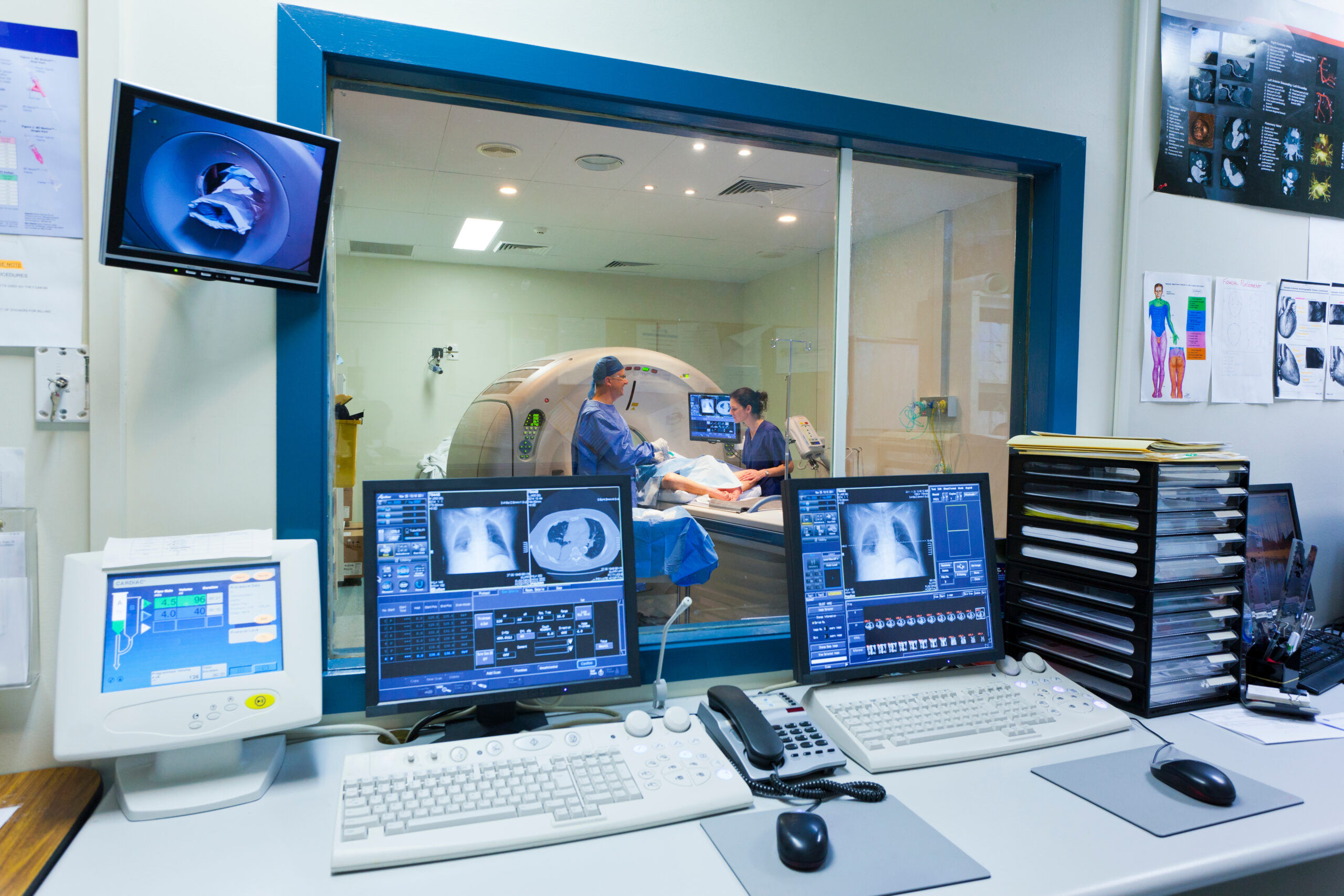
Lucida Medical was one of three successful applicants to our Cancer Innovation Challenge.
Our work together in Somerset has shown Pi™ has strong accuracy in supporting clinicians to prioritise cases for reporting and biopsy, and can shorten wait times for biopsy among those at greatest risk.
Pi™ is also supporting radiologists by saving time with automated analyses and validating interpretations (providing a ‘second read’), and urologists by providing heat maps for use during biopsy.

The learning from our evaluation has fed into the large-scale roll-out of Pi™ across 12-15 NHS sites this year, and spotlights the South West as a test bed for innovative health solutions.
With more NHS sites welcoming Pi™, the journey and development of this AI solution to speed up cancer diagnostics across the country is only just beginning.
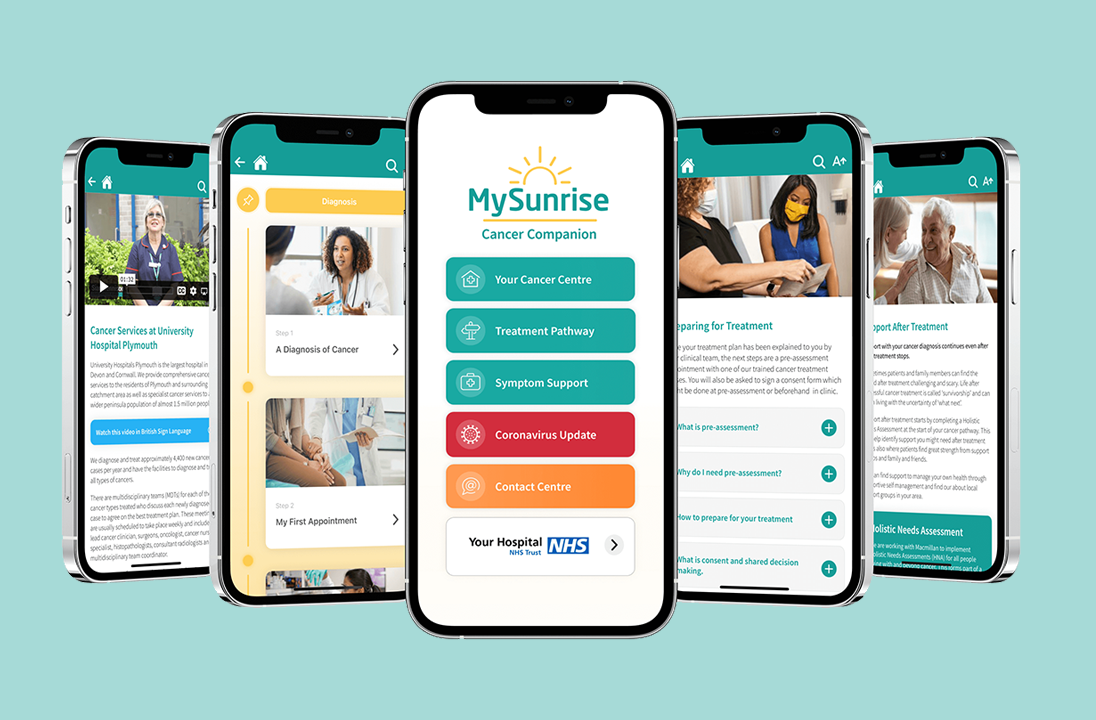
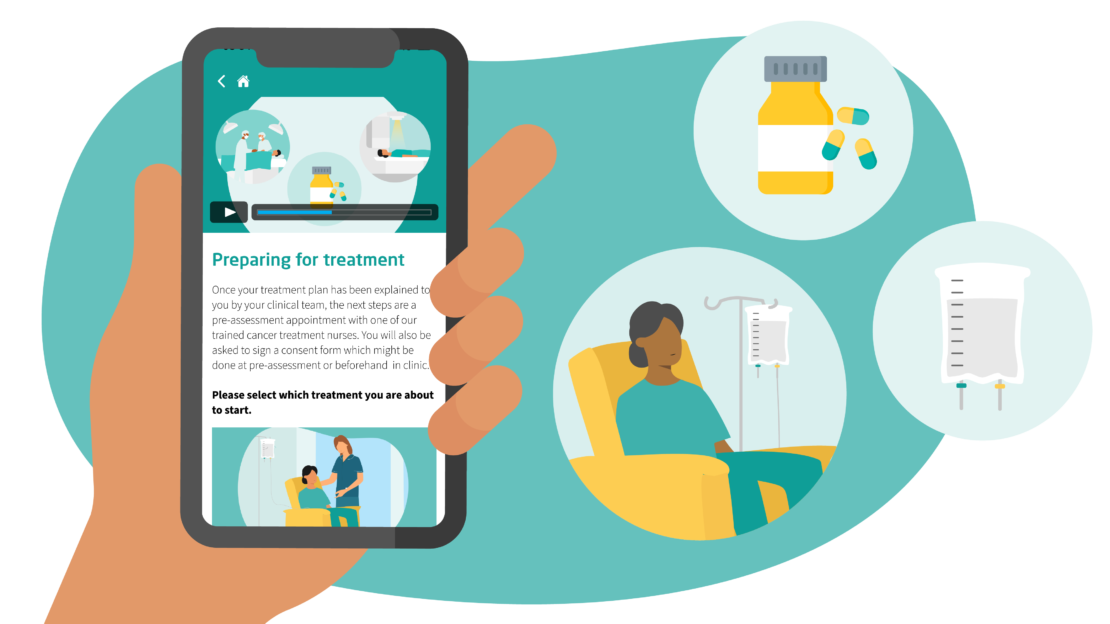
Real-world evaluation in Devon shows digital pre-assessment saving patients dozens of hours of travel time
App is reducing clinical time for staff while moving cancer support from hospital to communities
Estimated 602kg of carbon dioxide saved from reduced patient travel after implementation


Over 10 partners, pilot and implementation sites supported
Over 500 system staff now trained
20-25% reduction in documentation time and increase in patient-facing time


South West NHS trusts the first in the country to trial tool with mental health teams
Local sites now onboarding new service users
Evaluation learning refining adoption and spread in other rural and coastal places across the country


Real-world evaluation in Devon shows improvement in patients’ physical health, mood and motivation
Digital delivery enables patients to fit rehab easily into their day and still attend if they live in rural areas.
Potential to reduce patient travel and increase staff efficiency if scaled nationally


Growth in pipeline of studies and active collaboration across the South West
Partners onboarded and stronger governance maturity
14 members of the public now engaged as ‘Digital Critical Friends’
Gaining recognition nationwide following audit success


Informing consideration of AposHealth adoption in the South West
Conversation facilitation, stakeholder engagement and knowledge sharing
Influencing national policy through regional learning
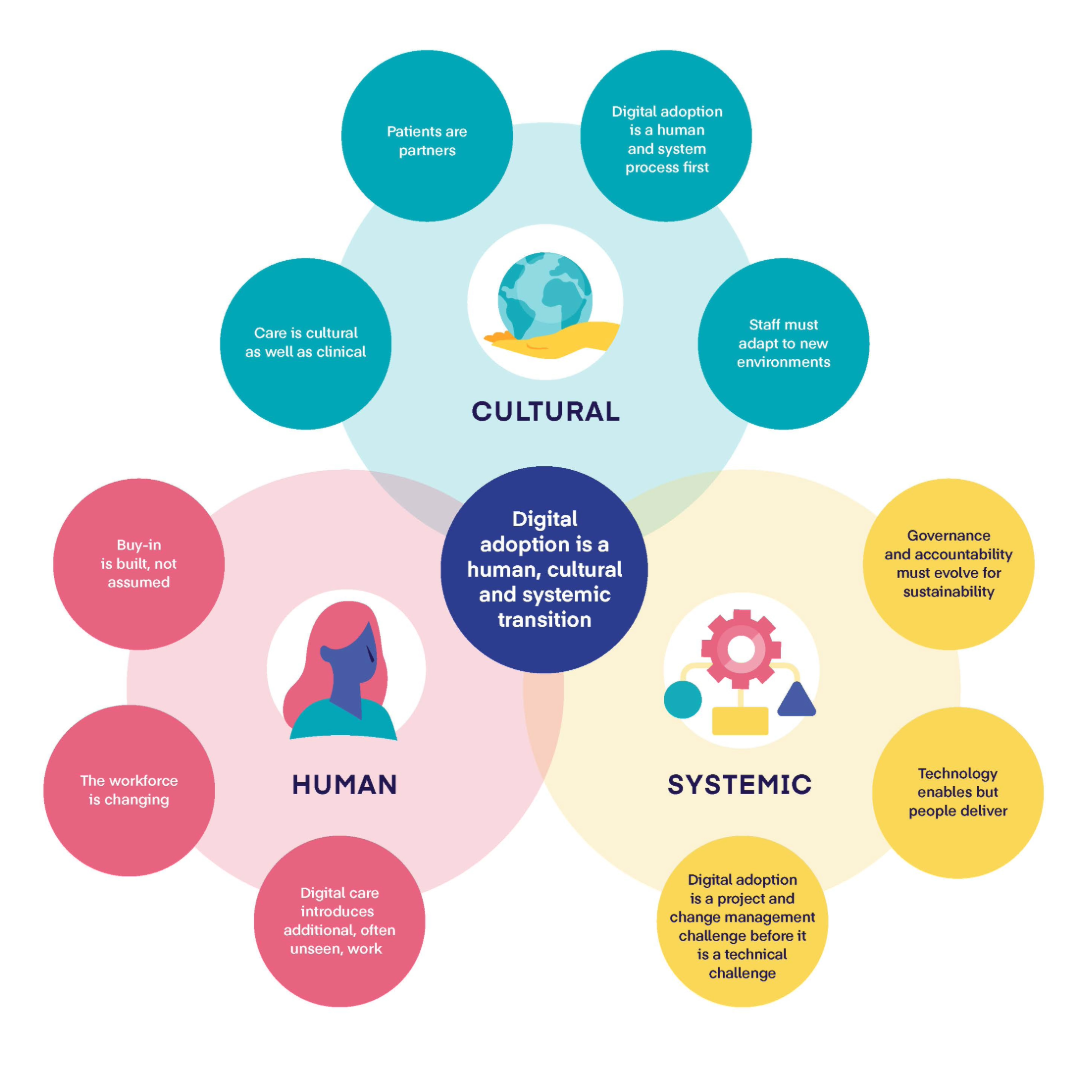

Sickness to prevention
Longer lives mean more complex health needs and rising hospital pressure. With an older and ageing population in the South West, there is increasing demand on services. Focusing on prevention helps people stay well and independent for longer.

Hypothermia rates halved in babies born before arrival at hospital
Rates of hypothermia in babies born before arriving at hospital in the South West have halved over the last five years, according to an evaluation funded by Health Innovation South West.
The repeat audit demonstrates how simple, evidence-based changes to service delivery can combine to transform care in a rural and coastal region, where care can be harder to access and health inequalities in maternal and neonatal care persist.

Several years ago, research we funded showed over a third of newborn babies arriving at hospital via an ambulance in the South West were hypothermic. It also identified inequalities in neonatal hypothermia in babies born before arrival at hospital in our region.
The findings drove local ambulance service and national call-handling organisations to implement changes, which improved how prehospital thermal care for these babies is recorded and managed in the South West.

Now a reaudit of hospital data confirms the difference these changes are making in practice.
Research we funded this year showed neonatal hypothermia in one in three babies born before arrival at hospital, compared to one in six in the previous evaluation, and none of these babies were severely hypothermic.
This suggests that simple, system-level interventions can make a meaningful difference.

The halving of hypothermia rates and improvement in subsequent care is particularly encouraging for a rural and coastal region like the South West, where families encountering birth outside of hospital unexpectedly can face restricted access to services and long transfer times to hospital, leaving their vulnerable newborns at greater risk.

Improved prescribing across all four pillars of heart failure treatment
Increased clinician capability and confidence
A new blueprint for scaling proactive heart failure improvement across the South West

Initiated development of a delivery model for primary care
Defined a programme evaluation and measurement framework
Supported Cornwall ICB to put in place a CKD medicine optimisation incentive scheme
Training programme for health and care staff in development


Programme helped to prevent strokes and heart attacks in less than six months of implementation
2,270 high-risk patients in Cornwall invited to a health check, with an overall uptake rate of 55%
Model showed feasibility even in high-deprivation, high-workload sites


1,406 patients across Devon identified for targeted lipid management intervention with over 550 patients benefitting from consultations
Enabled faster and more consistent use of clinical tools and data to identify and optimise patients at risk of CVD
Reduced variation in access to lipid services across the South West


Martha’s Rule now implemented in five acute trusts across South West
Identified gaps in service provision for reducing harm from psychotropics for people with learning disabilities
South West is only region in England to achieve target reduction in neonatal deaths to 1 in 1,000, helped by PERIPrem


Successfully commenced piloting in adult and paediatric inpatient settings in five acute trusts in the South West
Strengthened cross-trust collaboration and peer-to-peer learning on the challenges and enablers of implementation
Co-hosted two system sharing events on preventing deterioration


Identified success and gaps in service provision through 14 insight sessions with system stakeholders and surveying over 30 social care providers
Involved and engaged service users and support workers and integrated insights from people with lived experience


Supported implementation of MEWS and NEWTT2 tools in NHS trusts
Convened NHS teams to share learning for consistent adoption
Supported ‘digital readiness’ as NHS trusts shift to electronic record systems


Proactive, data-driven identification of high-risk patients enabled earlier intervention
Somerset pilot identified 700+ patients needing urgent liver disease follow-up
Scaling hepatoSIGHT® from one trust to 13 sites across the South West



Supporting earlier cancer detection in patients with non-specific symptoms
Expected to flag over 3,000 at-risk patients aged 60+ by May 2027
Potential to reduce emergency cancer presentations and improve pathway efficiency

Over 200 perinatal pelvic health and maternity service leads in England now trained in APPEAL
Research published in BMJ Open shows APPEAL has potential to improve many women’s lives after giving birth
A sustainable business model to continue national spread
Our national impact
0M+
patients have benefited from our national and local programmes since 2020 .
0K+
hours of healthcare staff capacity have been released through our programmes and initiatives since 2020 .
£0BN+
investment leveraged for places, regions and innovators since 2018.
0K+
jobs created or safeguarded through our support to innovators since 2018.
0M+
patients have benefited from our national and local programmes in 2025/26.
0K+
innovators supported - safeguarding over 1,500 jobs and leveraging almost £1.5bn in investment.
Delivering measurable impact through innovation
This year, our Innovation Exchange has accelerated the translation of innovation into real-world impact across our five priority missions – scaling proven solutions, generating robust evidence, and embedding innovation across priority pathways.
Our work has generated more than £15 million in economic growth within our region, while creating 62 jobs and safeguarding a further 131 roles.
- 36 high-potential companies received our tailored, high-impact support to accelerate their growth and impact.
- 147 business support interventions delivered.
- Seven innovators received support to design and deliver real-world evaluations including an AVT platform for mental health setting, cancer innovations to enable earlier diagnosis and a virtual clinic for LTC patients serving our rural communities.
- Enabled nine innovations to enter real-world clinical settings.
- Universal signposting and guidance provided to over 100 health and care innovators across the UK, including ongoing support for innovations referred through the National Innovation Service.
- Supported multiple innovators in securing funding, including Cineon and Suvera.
- Sustained a successful long-term collaboration with Cornwall-based social impact funding experts Resonance.
Looking ahead, our 2026/27 Local Implementation Plan will introduce a dedicated social care innovation programme, advance a regional economic development strategy in collaboration with key stakeholders, and further scale our high-promise innovation portfolio in partnership with our mission-led teams.
Integrating environmental
and social value
In 2025–26, our cross‑organisational Environmental, Social and Governance (ESG) working group supported our teams to strengthen how we embed environmental sustainability and social value into the design and delivery of our work. This included raising awareness of net zero, sustainable travel, and inclusive practice.
We have taken practical steps to reduce our organisational impact, working closely with the sustainability lead at Vantage Point in Exeter, home to our Event and Innovation Space, to better understand and improve energy usage within our office environment. This builds on Vantage Point’s position as one of the landlord’s most environmentally sustainable buildings: our carbon footprint fell by 54% over 2023-25.
We have developed our organisational carbon accounting process, enabling us to better understand our emissions profile and identify priority areas for reduction. Through this work, and in collaboration with partners including our landlord, we have begun to take steps towards reducing our carbon footprint and improving data quality to support future progress.
In 2025–26 we established a meaningful partnership with Exeter-based charity St Petrock’s, supporting people experiencing homelessness. Through staff engagement and volunteering, this partnership has delivered tangible benefits for the community while increasing our team’s understanding of local challenges.
Looking ahead, we will build on this progress by further embedding ESG and value into our core work with innovators and partners. Our Carbon Reduction Plan will be implemented, and we are working with platforms such as Zellar to strengthen how we measure and demonstrate the environmental impact of innovation, supporting a more consistent and credible approach to net zero across our programmes.
Local work, national stage
Health Innovation South West is one of 15 health innovation networks across England, established by NHS England in 2013 to spread innovation at pace and scale. Together we make up the national Health Innovation Network.
While we work locally, we help to spread successful innovations across our national network by sharing learning, pooling intelligence, and benefitting from a pipeline of emerging and proven solutions from around the country.
This year the Health Innovation Network has profiled our impact from work in partnership with MySunrise, with partners on Neonatal Oral Antibiotics at Home (NOAH), and on pain cafes.
The network shared 10 key lessons we’ve learnt during the implementation of digital technologies in our region.
The national platform has also played host to profiles of innovations and innovators being tested in the South West, including Zoe Blake – founder of CareLoop.

Convening in our
Event & Innovation Space
Vantage Point in Exeter, Devon, is an award winning central innovation hub for the South West’s health and care sectors and the home of Health Innovation South West.
In 2025/26, we welcomed 5,432 visitors spanning innovators, healthcare professionals, universities and government, and hosted over 300 events, from showcases and training to leadership programmes and workshops. One guest commented: “A space designed to support wellbeing and an excellent example of how environment can be so supportive to human performance.”
A standout event, Finding a Way Forward: Trauma-Informed Care for Patients and Staff, convened experts and people with lived experience across mental health, maternity and neonatal care, and cancer screening, catalysing cross-sector dialogue and identifying shared priorities for system-wide change.
Looking ahead
Our Strategy 2025–2035 sets a clear direction for the next decade as we work to improve the lives of people across the South West through innovation.
We will focus on delivering measurable, real-world impact, while building our expertise in rural and coastal health innovation to help close the innovation gap across the region.
Our work will continue to be guided by three core goals: improving health outcomes, improving health and care services, and improving economic outcomes for the South West.
We will continue to build the South West’s reputation as a testbed for rural and coastal health innovation – working with partners to identify, test and build scalable solutions that can deliver impact for rural and coastal health systems and communities.
In 2026/27, we will deliver impact now by accelerating the implementation of proven innovation at scale through the adoption of Ambient Voice Technology, enhanced diagnosis and treatment of chronic kidney disease and cardiovascular disease, and uptake of the NHS App.
We will build impact for the future by developing a portfolio of scalable, innovative solutions for rural and coastal health in neighbourhood health, multiple long-term conditions, cancer, mental health, women’s health, and work and health.

In June, our inaugural Rural & Coastal Health Summit brought together partners from across health, care, research and industry to explore the challenges and opportunities facing rural and coastal communities, strengthen collaboration, and showcase impactful innovation.
We are also playing an active role in supporting the development of neighbourhood health. Through desk-based research, stakeholder engagement and innovation analysis, we have translated national neighbourhood health priorities into seven opportunity areas for innovation in neighbourhood care focused on improving access to care, reducing demand on services, and delivering more care closer to home.
How our work
is funded
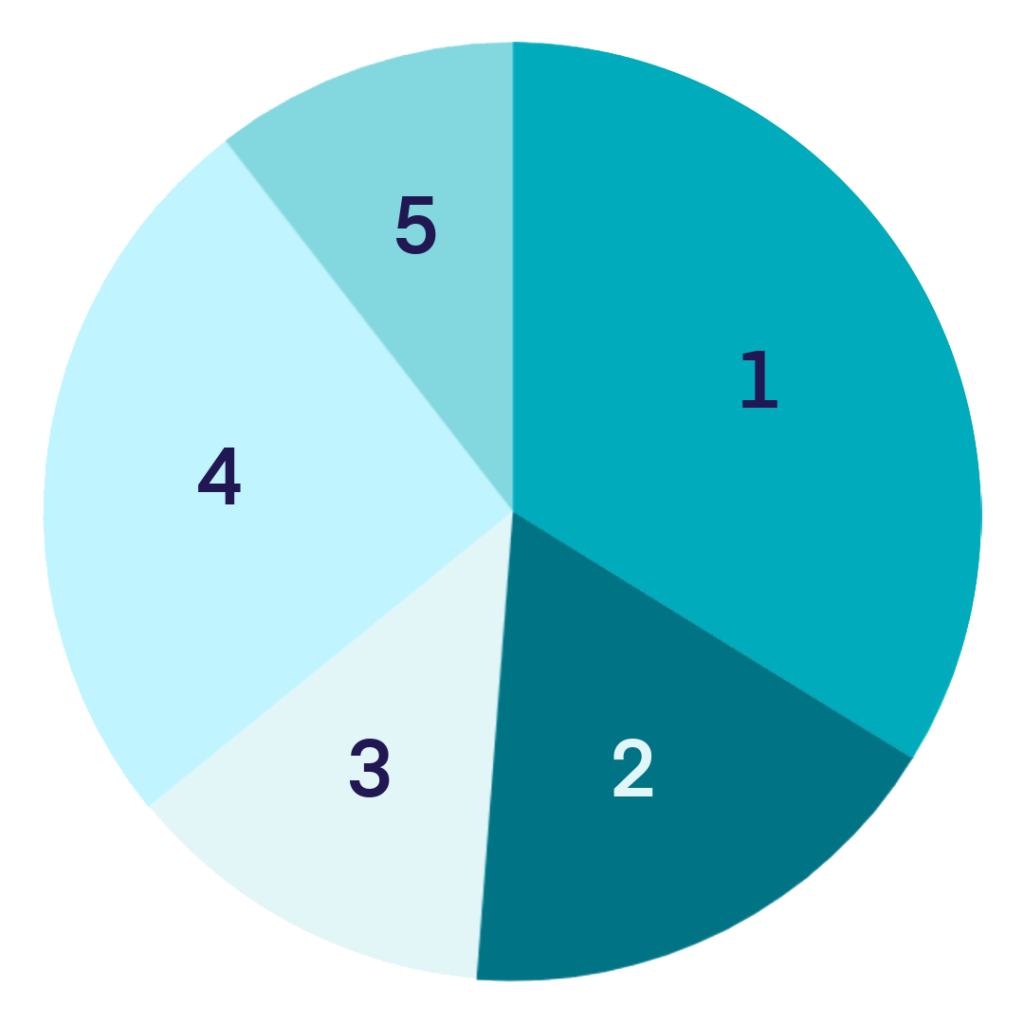
Income
| 1. NHS England | £1,758,944 |
| 2. Office for Life Sciences | £906,386 |
| 3. Patient Safety Collaborative | £672,484 |
| 4. Other project income | £1,319,109 |
| 5. Overall income in advance | £546,087 |
| Total: | £5,203,010 |
Expenditure
| 1. Project expenditure | £4,164,717 |
| 2. Corporate operations | £1,038,293 |
| Total: | £5,203,010 |

About us
Health Innovation South West are a place-based innovation organisation tackling rural and coastal health challenges. We are one of 15 local health innovation networks across England, established by NHS England in 2013 to spread innovation at pace and scale.
Our purpose is to improve the lives of people in the South West through innovation in health and care. We act as a catalyst, connecting NHS and academia, local authorities, the third sector, industry, and citizens, to create the conditions needed to facilitate change – improving health and care services, health outcomes, and economic growth.
Find out more-

FIND
Identifying innovation needs and horizon needs and horizon solutions
-

TEST
Preparing innovation for adoption through real world evaluation
-

IMPLEMENT
Accelerating the adoption of proven innovation at scale